
Introduction: The Biggest Burden for Young Adults Living Alone, ‘Deposit and Monthly Rent’
This is a draft body text for the subheading “Introduction: The Biggest Burden for Young Adults Living Alone, ‘Deposit and Monthly Rent'” for a Naver blog post. It was written to draw deep empathy from readers and help them immerse themselves in the body text.
📋 [Draft Content] Introduction: The Biggest Burden for Young Adults Living Alone, ‘Deposit and Monthly Rent’
“I want to move out independently, but why are studio apartment deposits and monthly rent in Seoul (or downtown areas) so expensive?”
When entry-level workers, college students, or young adults preparing for a job transfer decide to live on their own, the first huge wall they encounter is none other than “housing costs.” Monthly rent that flashes through the bank account every month is already overwhelming, and in times like these when even prices have risen, preparing a large lump sum for the deposit comes across as an immense burden.
For young adults who have difficulty receiving help from their parents or are preparing for independence entirely on their own, housing costs take up such a large proportion that they account for more than half of living expenses. This is why every night they end up searching through real estate apps and government support sites, thinking, “Is there any way I can save even a little bit on interest?” or “Are there jeonse loans or monthly rent subsidies that I can receive too?”
Fortunately, the government and various local authorities operate various deposit support, low-interest rate support, and monthly rent voucher projects to ensure housing stability for young adults. However, because there are so many systems, it is easy to get confused about “what exact benefit is most advantageous to me.”
So, in today’s article, we will gather all the representative youth housing support costs and deposit interest support benefits and compare them in an easy-to-understand way!
💡 Writing Tip: Previewing “the core criteria for finding a housing support project that perfectly matches your income and asset conditions” at the bottom of the body text is quite useful for encouraging readers to scroll all the way to the end!
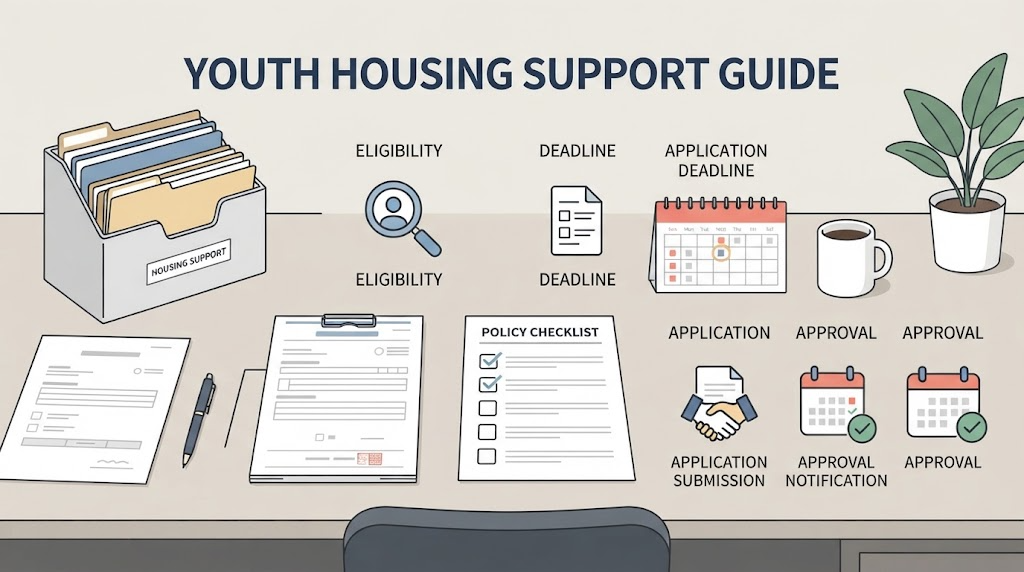
Comprehensive Summary of Representative Youth Deposit and Interest Support Benefits (Core Comparison)
This is a draft body text for the subheading “Comprehensive Summary of Representative Youth Deposit and Interest Support Benefits (Core Comparison)” for a Naver blog post. It neatly organizes the core contents of the representative housing support systems most sought after by young adults.
📋 [Draft Content] Comprehensive Summary of Representative Youth Deposit and Interest Support Benefits (Core Comparison)
Youth housing support projects funded by the government, the Housing and Urban Fund, and local authorities differ slightly in their target audience and benefits. To help you choose the system that best suits you, we have organized 3 representative benefits you must know!
- Youth Jeonse Funds Loan (Exclusive for Youth)
Support Target: Homeless youth aged 19 to 34 (applying criteria such as combined annual income of 50 million won or less for married couples)
Core Benefit: A representative housing support system that allows you to receive a loan for a certain percentage of the jeonse deposit at a much lower low-interest rate (around the 2% range per year) than commercial interest rates.
Recommended for: Entry-level workers who have a small lump sum to secure a jeonse home or want to completely eliminate monthly rent and move into a jeonse property.
- Youth Jeonse and Monthly Rent Deposit Return Guarantee Fee Support
Support Target: Homeless youth tenants who meet income requirements, though criteria vary by local government
Core Benefit: A project in which local authorities provide cash support for all (or part of) the guarantee fee for guarantee insurance joined to safely retrieve the deposit upon the termination of the jeonse contract.
Recommended for: Young adults who have lost sleep recently due to concerns over jeonse fraud or unreturned deposits, as this is an essential subsidy that can ease the financial burden of joining guarantee insurance.
- Local Government-Specific Youth Monthly Rent Support and Housing Vouchers
Support Target: Homeless youth living separately from their parents (when meeting income and asset criteria)
Core Benefit: To alleviate the burden of monthly rent expended fixedly every month, it provides cash support up to a certain maximum amount per month (e.g., around 200,000 won) for up to 12 to 24 months.
Recommended for: College students, job seekers, and entry-level workers residing in monthly rent studio apartments or officetels because it is difficult to gather a jeonse deposit right away, making it quite directly useful.
💡 Writing Tip: In this section, conspicuously emphasizing the “maximum support limit” or “interest rate benefits” of each support system helps readers grasp information at a glance, significantly enhancing blog readability!

Eligibility Criteria and Support Limits by Support Project at a Glance (Comparison Table)
This is a draft body text for the subheading “Eligibility Criteria and Support Limits by Support Project at a Glance (Comparison Table)” for a Naver blog post. It has been neatly organized in a markdown table format so that readers can easily compare and understand at a glance.
📋 [Draft Content] Eligibility Criteria and Support Limits by Support Project at a Glance (Comparison Table)
Isn’t it easy to get confused about which category you belong to when just reading text? To help you compare the eligibility criteria and support limits of the representative youth housing support benefits we looked at earlier at a glance, we have organized them into a table.
| Category | Youth-Only Beontimok Jeonse Funds Loan | Youth Monthly Rent Support (Government / Local Government) | Youth Jeonse Deposit Return Guarantee Fee Support |
|---|---|---|---|
| Support Nature | Low-interest jeonse deposit loan support | Monthly fixed rent cash support (voucher) | Full/partial refund of guarantee insurance subscription costs (guarantee fee) |
| Main Age | Homeless youth aged 19 to 34 | Usually aged 19 to 39 | Youth criteria vary by local government (usually aged 19–39) |
| Income Criteria | Combined annual income of 50 million won or less for married couples (varies by criteria) | Meet income criteria for youth households and original households | Below a certain percentage of median income based on youth households |
| Support Limit | Up to 300 million won in the metropolitan area (within 80% of deposit) | Up to 200,000 won per month (supported for up to 12 to 24 months) | Full guarantee fee paid (actual cost support within maximum limit) |
| Core Advantage | Much lower 2% range low-interest benefit than commercial banks | Directly alleviates the burden of monthly rent, which is a fixed expense | Relief from jeonse fraud anxiety + cost reduction all in one |
📌 Wait! Check Point
The criteria in the above table are representative standard criteria of the government and local authorities. Income requirements or support amounts may vary slightly depending on each local government’s (Seoul, Gyeonggi-do, Busan, etc.) own budget or detailed project guidelines. Be sure to check the latest announcements on the Housing and Urban Fund portal or the Bokjiro site before applying!
💡 Writing Tip: Information summarized in a table like this is the most powerful element for making blog readers stop scrolling and increase their dwell time. Be sure to check that it doesn’t break on mobile screens before uploading!
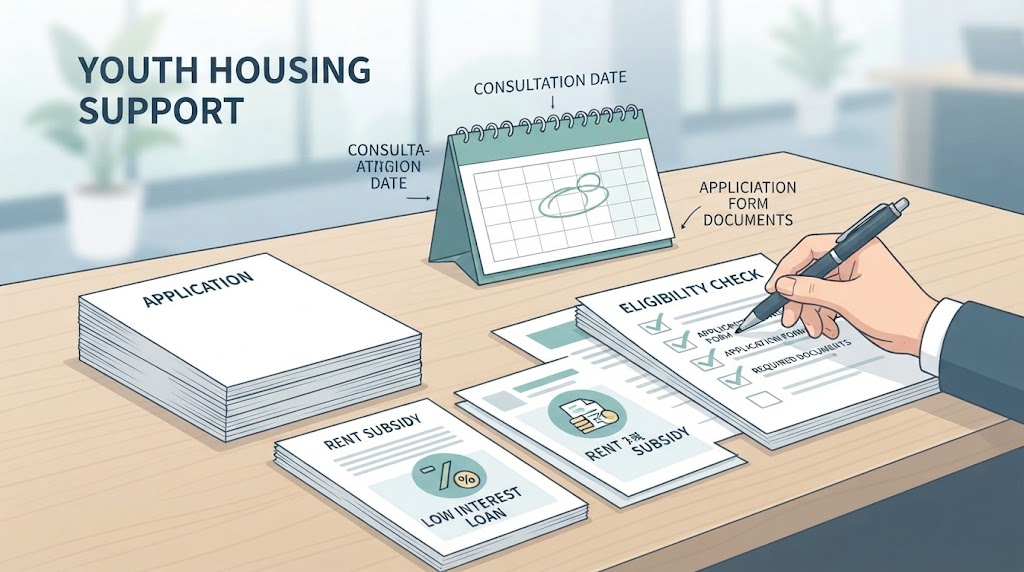
Tips for Choosing the Most Advantageous Housing Support Benefit for Me
This is a draft body text for the subheading “Tips for Choosing the Most Advantageous Housing Support Benefit for Me” for a Naver blog post. It organizes practical guides so readers can wisely choose benefits tailored to their situations.
📋 [Draft Content] Tips for Choosing the Most Advantageous Housing Support Benefit for Me
Although we have looked at various youth housing support benefits earlier, you might be wondering, “So what should I apply for right now?” Rather than blindly following popular systems, setting priorities based on your current housing type and asset situation is most important. Let me share 3 core tips for picking the benefit that is most advantageous to you!
- First-Priority Choice According to Current Housing Type (Jeonse vs. Monthly Rent)
If you reside in monthly rent: If you lack a lump-sum deposit, you cannot get a jeonse loan right away, making the ‘Youth Monthly Rent Support’ project—which provides direct cash support every month—your top priority. Check first on Bokjiro to see if you meet the recipient eligibility.
If you reside (or plan to reside) in jeonse: If gathering a deposit is your main concern, exploring the ‘Youth-Only Beontimok Jeonse Funds Loan’—which features a much lower interest rate than commercial banks—as a priority is the shortcut to saving on interest costs.
- ‘Deposit Return Guarantee’ is Not Optional, But Essential!
If it is a contract where a deposit changes hands, whether jeonse or monthly rent, it is safest to definitely join the ‘Jeonse Deposit Return Guarantee’ regardless of subsidies.
As there are many recent issues with jeonse fraud or unreturned deposits, be sure to check through your jurisdiction’s youth portal to see if there is a project where local authorities provide full (or partial) support for the guarantee fee, and make sure to take advantage of it together.
- Carefully Examining Whether Overlapping Benefits Are Possible
Among government subsidies, there are often cases where overlapping receipt with other housing support projects is not possible. (e.g., restrictions on overlapping receipt for public rental housing residents or similar housing support projects by other local authorities)
Before applying, you must check with the responsible organization or call center by asking, “I am currently receiving another subsidy; can I receive this benefit at the same time as well?” to prevent the misfortune of having subsidies recovered later.
💡 Writing Tip: In this section, emphasizing “the customized selection guide by housing type” with a one-line summary helps readers clearly understand the conclusion of the article and increases their satisfaction!

Conclusion: Succeeding in Housing Independence Through Reliable Housing Support
This is a draft body text for the subheading “Conclusion: Succeeding in Housing Independence Through Reliable Housing Support” for a Naver blog post. It concludes the entire article in a warm and encouraging tone, eliciting empathy and action from the reader.
📋 [Draft Content] Conclusion: Succeeding in Housing Independence Through Reliable Housing Support
So far, we have looked together at the representative housing support costs for young adults, deposit interest support benefits, and tips for wisely choosing the support funds that suit you.
Leaving your parents’ embrace to set up your own complete space and beginning independence is an exciting thing, but the formidable burden of housing costs that follows always weighs heavily on the shoulders of young adults. However, if you smartly utilize the various support systems provided by the government and local authorities, you can lift more than half of that heavy load.
From the low-interest benefit of the Beontimok Jeonse Funds Loan that is easy to miss, to the Youth Monthly Rent Support funds deposited into your bank account every month, and guarantee fee support for a safe contract! Based on the contents introduced to you today, we hope you carefully examine what benefits you can receive and actively apply for them.
We sincerely cheer for your reliable and successful housing independence!
We hope the information provided today has served as a small guide for your smart living-alone life, and if you have any questions, please feel free to leave a comment anytime!
💡 Writing Tip: At the end, add an incentive phrase encouraging “likes, comments, and adding as a neighbor” to increase your blog index!
Korean version: 한국어로 읽기