Introduction: When Throwing Away Large Waste, “Are Prices Different in Every Neighborhood?”
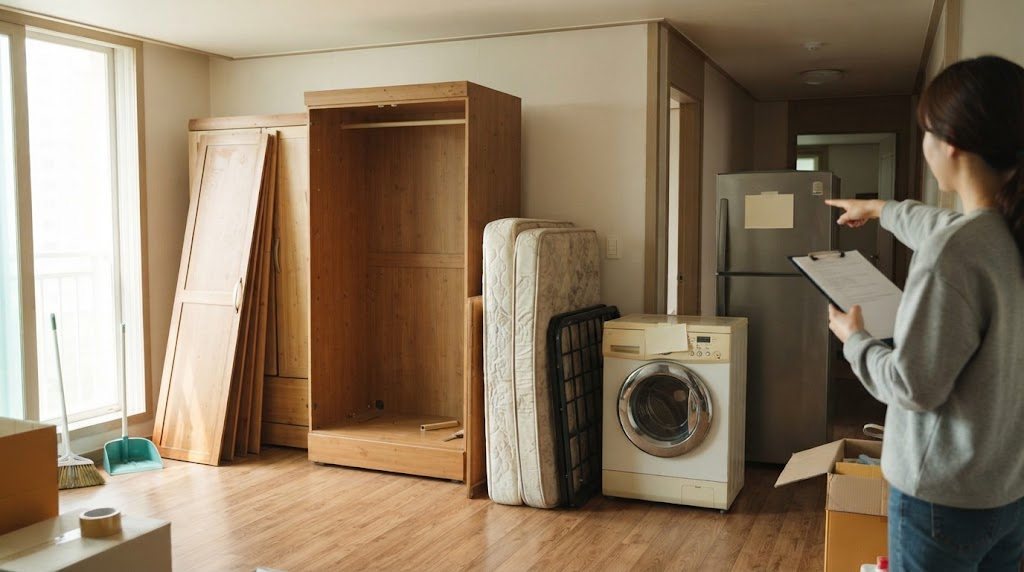
Ahead of moving, spring cleaning, or interior remodeling, when you need to dispose of old wardrobes, beds, or large home appliances that have occupied your home for a long time, the very first hurdle you encounter is “Where and at what price should I throw them away?”
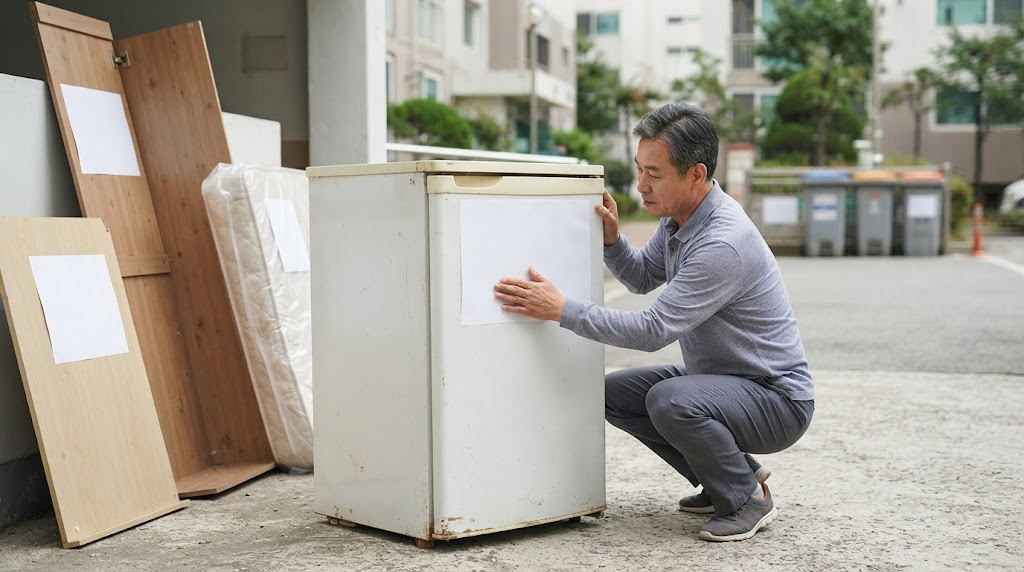
Large waste items that do not fit into standard waste bags must be reported to the local municipal government (district office or community center) according to regulations, and a disposal fee sticker must be attached before placing them in the designated location.
However, the point that catches many people off guard here is the fact that the prices for large waste disposal fees vary slightly from one local government to another, and even from one neighborhood (administrative district) to another. Even within Seoul, the disposal cost for a wardrobe in District A differs from District B, and when moving to provincial small cities or county regions, differences arise in item categorization criteria or pricing methods.
Throwing items away blindly without knowing these regional variations or making reports that do not match specifications can lead to administrative confusion as well as additional costs.
Where and how on earth should we check the exact large waste prices in our neighborhood? Check out the specific standard prices by item for large furniture disposal fees such as wardrobes and beds in the following sequence.
Standard Prices by Item ①: Unpacking Disposal Fees for Large Furniture Like Wardrobes and Beds
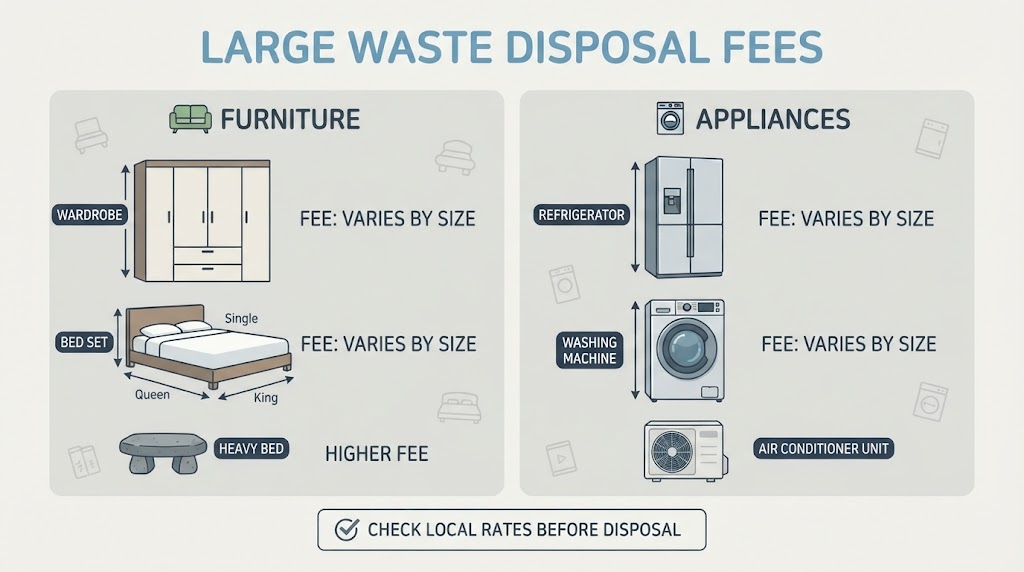
Large waste disposal fees are detailed based on the type, size (specification), and material of the furniture. In particular, wardrobes and beds, which take up the most space in the home and carry significant weight, have strictly divided calculation criteria by local government, making advance checks essential. Let’s examine the disposal fee standards for representative large furniture items.
① Wardrobes and Built-in Closets: Wardrobes are generally charged based on the number of doors (e.g., 1 door, 2 doors, 3 doors or more) or the horizontal length. On average, it ranges from 10,000 won to 15,000 won per door, and costs increase from 30,000 won to over 50,000 won as specifications grow larger, such as 3-ja or 10-ja. For built-in closets, dismantling labor fees may be considered separately.
② Bed Categories (From Regular Beds to Stone Beds): Fees are charged according to the specifications of the mattress and frame, such as single, super single, double, queen, and king sizes. Generally, regular beds can be disposed of as a set or individually for around 10,000 won to 30,000 won. However, stone beds, mud beds, and marble material beds weighing hundreds of kilograms are classified as special waste, meaning fees are set much higher (from 30,000 won to over 60,000 won) or separate collection policies may apply.
③ Sofas, Desks, and Dining Tables: Sofas are priced around 5,000 won to 30,000 won per person depending on the length for 1-seater, 3-seater, 4-seater or more, while desks and dining tables are charged differentially based on the presence of drawers and 4-person or 6-person sizes.
Furniture items must be accurately measured and reported in size to prevent collection refusal due to unattached stickers or specification overages. Following furniture, let’s check out the differences in fee structures and free collection benefits for home appliances, which are household nuisances, in the next sequence.
Standard Prices by Item ②: Disposal Fees and Free Collection Benefits for Large Home Appliances Like Refrigerators and Washing Machines
Home appliances such as refrigerators, washing machines, air conditioners, and large TVs are bulky, heavy, and difficult to dispose of just like furniture, but if you make good use of government and local government systems, powerful methods exist to save costs or even handle them completely for “free.” Let’s examine the fee structures and benefits you need to know when disposing of large home appliances.
① Local Government Sticker Paid Disposal Method: If it is a small home appliance, some appliances that fall short of free collection target item criteria, or items that are ambiguous to discharge individually, you must purchase and attach a large waste sticker through your jurisdictional community center before disposal. For TVs, refrigerators, washing machines, etc., fees of roughly 5,000 won to around 20,000 won are levied depending on specifications and inches (cm).
② Waste Appliance Free Visiting Collection Service (‘Waste Appliance Collection Reservation Center’): By utilizing the ‘Waste Appliance Free Collection Fee (1599-0903)’ system jointly operated by the Ministry of Environment and local governments, professional collection technicians visit directly inside your home to collect large home appliances such as refrigerators, washing machines, air conditioners, and TVs for free, as long as certain conditions are met (such as set items or simultaneous discharge of 5 or more small appliances). This is the most recommended method to handle disposal legally without spending any sticker costs at all.
③ Smart Utilization of Paid Disposal and Free Collection: When disposing of home appliances, rather than unconditionally purchasing paid stickers, checking first through the ‘Waste Appliance Free Collection Fee’ internet website or call center to see if they fall under the free visiting collection target items is the shortcut to protecting your wallet.
Once you have grasped the disposal fees and free benefits by item for appliances and furniture, it is now time to learn the specific procedures for actually checking them online and making a report. Check out the practical guide to online inquiries and disposal reporting that follows in the next sequence.
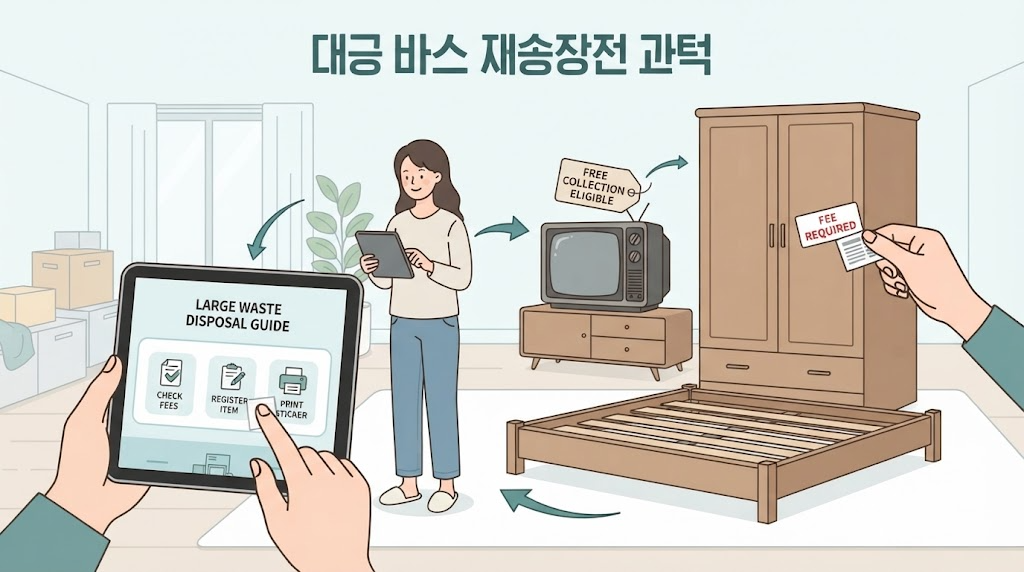
Practical Guide to Online Inquiries and Disposal Reporting (Community Center vs. Online Application)
Once you have figured out the approximate market prices by item for large furniture and home appliances, it is time to go through the practical steps of checking the exact fees for your residence and legally completing your disposal report. In the past, you had to visit the community center in person, but nowadays you can easily handle it via the internet or mobile. Let’s examine the characteristics and tips of the two application methods.
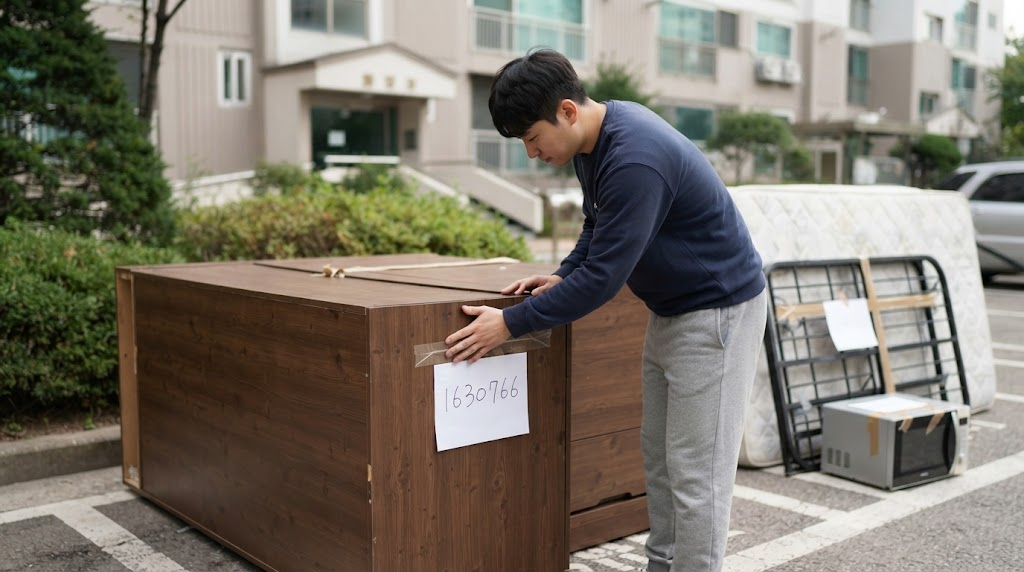
① Online and Mobile District Office Website Application (Recommended): The most convenient and accurate method is accessing the official website of your jurisdictional district office (or city/county/district) and using the ‘Large Waste Disposal Report’ menu. By typing the district office name into the search bar, you can check detailed fees by item in real time, and once you select the disposal items and pay the fees via credit card or simple payment, a disposal number (certificate number) is issued. You simply write this number by hand on a blank sheet of paper or receipt, attach it to the waste, and place it out.
② Offline Community Center (Administrative Welfare Center) Visit Application: If using the internet is difficult or smartphone payments are cumbersome, you can visit your jurisdictional community center in person to apply. When you tell the window staff the exact specifications and types of items you want to throw away, you are guided on the fee, pay with cash or card, receive a paper large waste payment certificate (sticker), and attach it directly to the furniture for disposal.
③ Precautions When Reporting: If you incorrectly enter the disposal location (detailed address) or item specifications during online application, it may become subject to collection refusal or penalty imposition, so you must double-check the entered details before completing the application.
If you have reduced administrative hassle and costs through online inquiries and simple reporting procedures, it is now time to neatly wrap up the entire process. Summarize the overall content through the concluding remarks that follow in the next sequence.
When facing large wardrobes, heavy beds, and home appliances that only take up space while preparing for a move or spring cleaning, it is easy to feel overwhelmed about where and how to start. However, as we examined together today, if you check the large waste fee price systems by jurisdictional local government in advance and actively utilize the free visiting collection service for home appliances, you can dramatically reduce both cost burdens and physical hardships at the same time.
If you abandon items indiscriminately on the street or dispose of them by attaching stickers that do not match specifications, it can lead to collection refusal as well as being mistaken for illegal dumping, resulting in a penalty bomb. Therefore, prior online inquiries through the district office website and accurate specification reporting are the wisest shortcuts.
Thoroughly save on large waste disposal costs through thorough advance information checking and small actions, and may you welcome a fresh and pleasant start in your newly begun space!
iwaw.kr, which delivers essential practical information and housing tips for daily life, will continue to visit you as your reliable daily partner with more beneficial and practical content.
💬 Recommended Articles & Communication Guide
If you have any questions during the process of large waste disposal or fee inquiries, please feel free to leave them in the comments below at any time.
If today’s article was helpful, please receive practical lifestyle information the fastest way possible through likes (❤️) and neighbor additions. We sincerely root for your new space to always be filled with happiness and laughter!
Recommended Articles to Read Together
Korean version: 한국어로 읽기