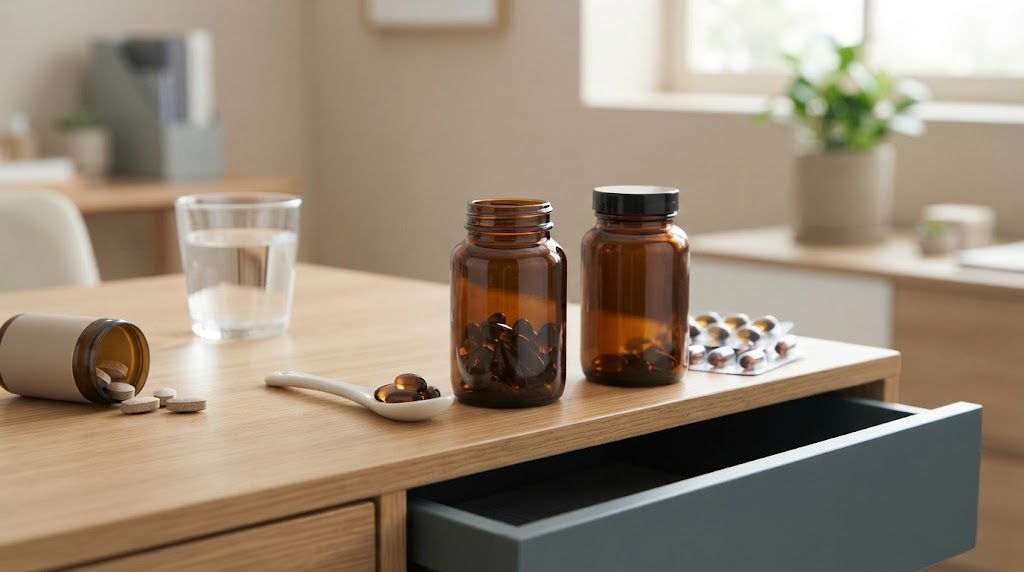
Introduction: Representative Combination for Fatigue Recovery and Blood Circulation Improvement, Milk Thistle and Omega-3
If you are an office worker suffering from chronic fatigue or a modern person interested in health management, you have probably heard the names ‘milk thistle’ and ‘omega-3’ at least once. Milk thistle, which helps with liver health and fatigue improvement, and omega-3, which is excellent for improving blood circulation and lowering neutral lipids, each boast unrivaled efficacy and are leading contenders filling the supplement shelves of many households.
Since these two supplements care for different parts of the body (the liver and blood vessels), when consumed together, we can expect a complex synergistic effect essential for modern people. That is why many people bundle this combination into a set and consistently take them every day.
However, no matter how good the ingredients are, if they are not backed by the proper intake method of ‘how to eat them’ and the maintenance of freshness through ‘how to store them,’ rather than seeing the expected effects, they can actually put a strain on the body. In particular, if you do not well understand the characteristics of ingredients sensitive to air and light, there is a high risk that the supplements will easily deteriorate.
Then, what are the correct intake methods to raise the effectiveness of milk thistle and omega-3 by 200%? And what are the know-hows to prevent ‘oxidation,’ the fatal enemy of supplements, and store them fresh down to the very last pill? We will thoroughly explore them in this post.
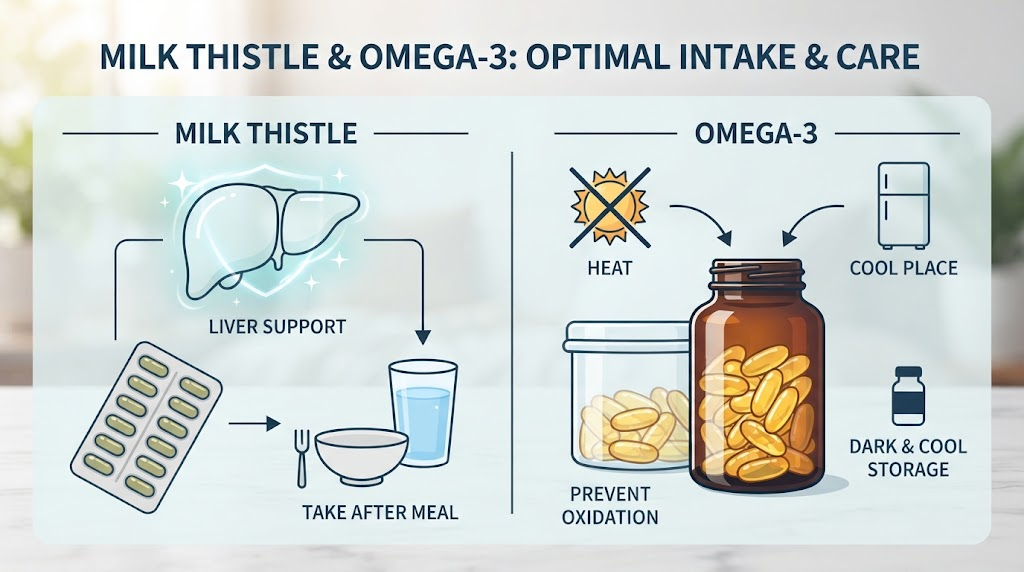
Milk Thistle & Omega-3 Correct Intake Methods and Optimal Timing
Milk thistle and omega-3 are each reliable helpers protecting liver and blood vessel health, but since the characteristics of their components differ, you must follow the appropriate intake timing for each in order to increase the efficiency of absorption into the body and reduce gastrointestinal disorders. Let’s learn the scheduling methods for consuming the two supplements most wisely.
Milk thistle intake method (taking after meals & complying with recommended intake):
‘Silymarin,’ the core active ingredient of milk thistle, protects liver cells and helps with antioxidant activity. However, since taking it on an empty stomach can sometimes induce mild gastrointestinal disorders such as heartburn or nausea, it is safest to take it with water during or after a meal. This is because digestive enzymes secreted after meals smoothly assist absorption. It is important to avoid over-consumption by following the Ministry of Food and Drug Safety’s daily recommended intake standard (130–260 mg of silymarin).
Omega-3 intake method (post-meal timing that maximizes fatty acid absorption):
Omega-3 is a representative unsaturated fatty acid component. Because it is a fat component, eating it on an empty stomach not only significantly drops the absorption rate, but can also cause a peculiar fishy odor to rise, making you feel unpleasant when burping. Therefore, you should take it during or immediately after a meal containing fat so that bile secretion is promoted and the absorption rate in the body can be maximized.
Designing a daily intake schedule:
Since ‘after meals’ is recommended for both supplements to reduce gastrointestinal burden and increase absorption rates, it is best to take them together immediately after the largest and heartiest meal (mainly lunch or dinner), or divide them into morning and evening and consume them after each meal. Rather than eating too many supplements all at once, dispersing them appropriately according to meal times is the trick to comfortably protecting your stomach.
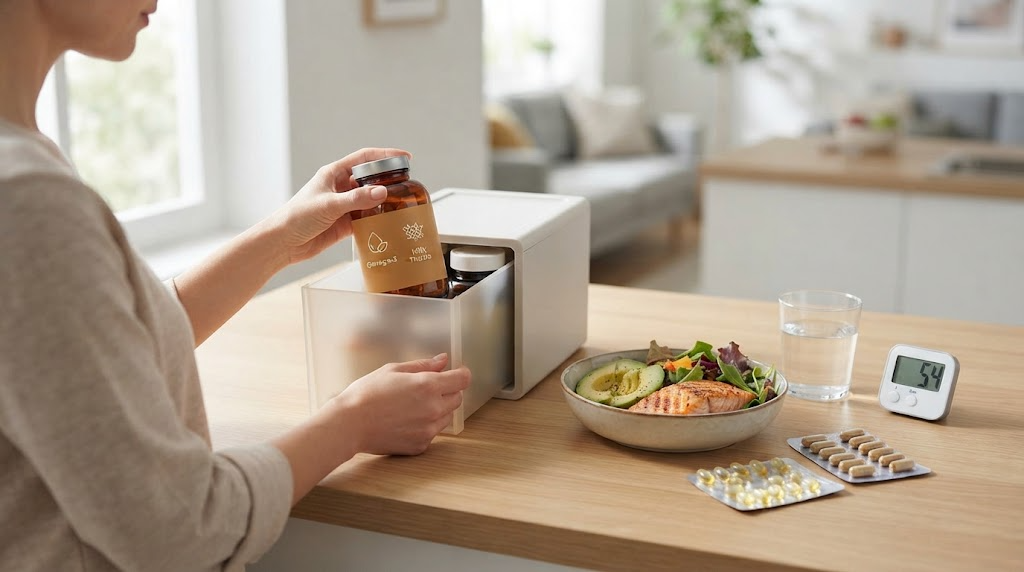
The Fatal Weakness of Omega-3: The Danger of ‘Oxidization’
Omega-3 is taken by many people to improve blood circulation and regulate neutral lipids. But have you ever opened a bottle of supplements only to find a stale, fishy smell vibrating or the capsules sticking together? This is a strong warning that ‘oxidation,’ the most fatal weakness of omega-3, is underway.
The property of unsaturated fatty acids being very vulnerable to light, heat, oxygen, and moisture:
Omega-3 is a representative unsaturated fatty acid, and by structure, it has the property of easily deteriorating when it comes into contact with oxygen in the air or is exposed to heat, light, and moisture. Fresh omega-3 manufactured not long ago is transparent and has almost no odor, but the moment it is left in an external environment, the oxidation reaction begins rapidly.
The adverse effects of oxidized omega-3 on our bodies:
Just as eating spoiled cooking oil is harmful to the body, when oxidized omega-3 enters our body, beyond losing its value as a nutrient, it generates harmful free radicals. This can damage cells in the body and induce inflammatory reactions, and in the long run, it can act like a toxin that harms health, so special caution is required.
Danger signals that require deciding to stop intake and discard:
If a severe fishy odor refluxes from inside when you swallow an omega-3 capsule, the capsule surface has melted stickily, or the overall color has turned cloudy, oxidation has already progressed considerably. Discarding it boldly without thinking it’s a waste is a wise choice to protect your health.
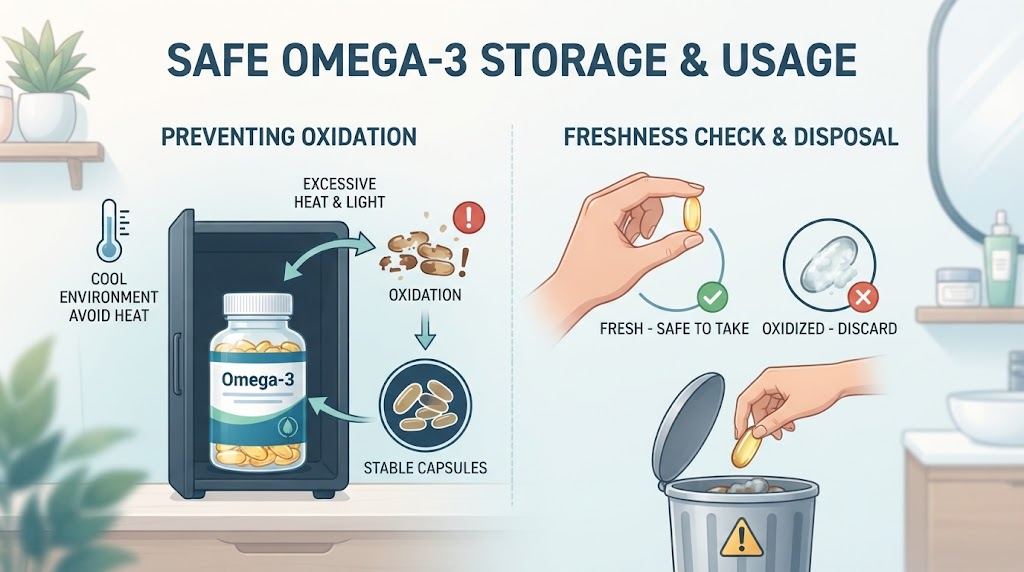
Storage & Management Know-how to Perfectly Prevent Oxidation
Storage & management know-how to perfectly defend against oxidation
For supplements vulnerable to oxidation like omega-3, ‘how you store them’ dictates efficacy just as much as maintaining the quality of the ingredients. We introduce storage and management know-how that you must strictly follow in daily life to consume them fresh and safe down to the very last pill.
Utilizing opaque containers that block light and individual PTP packaging:
Omega-3 easily oxidizes even under sunlight or fluorescent light. Therefore, rather than products in transparent plastic bottles, it is much more advantageous to choose products in opaque containers that completely block light or aluminum PTP individual packaging (a form where each pill is individually sealed and packaged). PTP packaging is most effective at preventing oxidation by minimizing contact with air and moisture.
Placing them in a ‘cool and dry place’ away from humid and hot kitchens and bathrooms:
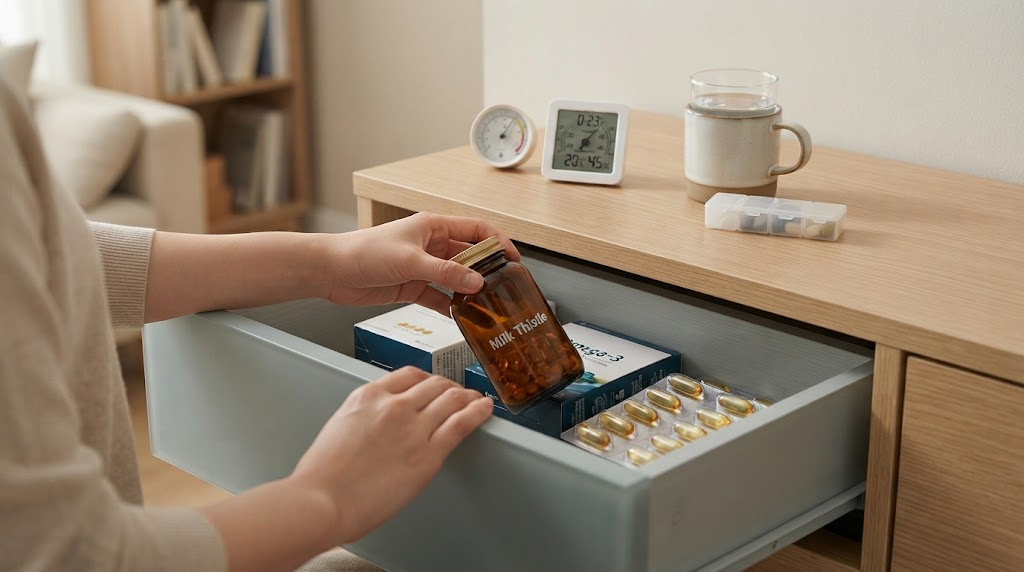
Many people place and take supplements on dining tables, sink shelves, or near water purifiers. However, the kitchen is the worst place that accelerates the deterioration of omega-3 because of the high humidity and temperature caused by heat and water vapor generated when cooking. It is best to store them in a cool, dry living room drawer or pantry where direct sunlight does not reach. (※ If you put them in the refrigerator, temperature differences generated when opening and closing the door can cause condensation (moisture), which can actually induce oxidation, so be sure to check the manufacturer’s recommended storage method.)
Proper management of airtight containers and moisture absorbers (silica gel):
If you purchased a large-capacity product in a bottle, you must always completely seal the lid to reduce contact time with air. In addition, since the desiccant (silica gel) enclosed inside the bottle plays an important role in absorbing moisture, you should keep it together without throwing it away until you finish all the supplements. Sometimes, if you reach into the supplements with wet hands, the entire bottle can become humid, so you must form the habit of dispensing them with dry hands or pouring them into the lid to eat.
Conclusion: A Wise Health Routine of Safe and Fresh Consumption
Milk thistle, which helps with liver health and fatigue recovery, and omega-3, which is responsible for improving blood circulation, are immensely reliable health management partners for busy modern people. However, no matter how good the supplements are, they cannot fully play their role unless backed by the ‘correct intake method’ suited for your body and ‘thorough storage methods’ that protect their quality.
In particular, recognizing the risk of oxidation of omega-3, which reacts sensitively to light, heat, and oxygen, and adopting the small habit of choosing PTP individually packaged products or storing them in a cool, dry place makes a decisive difference in preserving the freshness of the supplements. In addition, wisdom is needed to adhere to the post-meal intake principle to reduce gastrointestinal burden and maximize absorption rates.
Starting from this very hour, try inspecting the storage locations of the milk thistle and omega-3 you take every day, and begin the small practice of keeping the lids tightly closed. The right intake timing and fresh storage routine are indeed the wisest ways to gift your body the safest and most reliable health.
Korean version: 한국어로 읽기